
New Projects, New Directions, New Validation?
How do we seek validation when we as creatives start a new venture, or deviate from the known path?

Hello and welcome to ETHEREAL, a platform where I discuss all things related to abstract photography and techniques, especially Intentional Camera Movement, and more recently, Multiple Exposure photography.
In this short article, I would like to discuss my thoughts and feelings around starting a new long term photographic project, how it came to be, where I would like it to go, and how to judge whether your work is improving, moving in the right direction, and if your audience connects with the work.
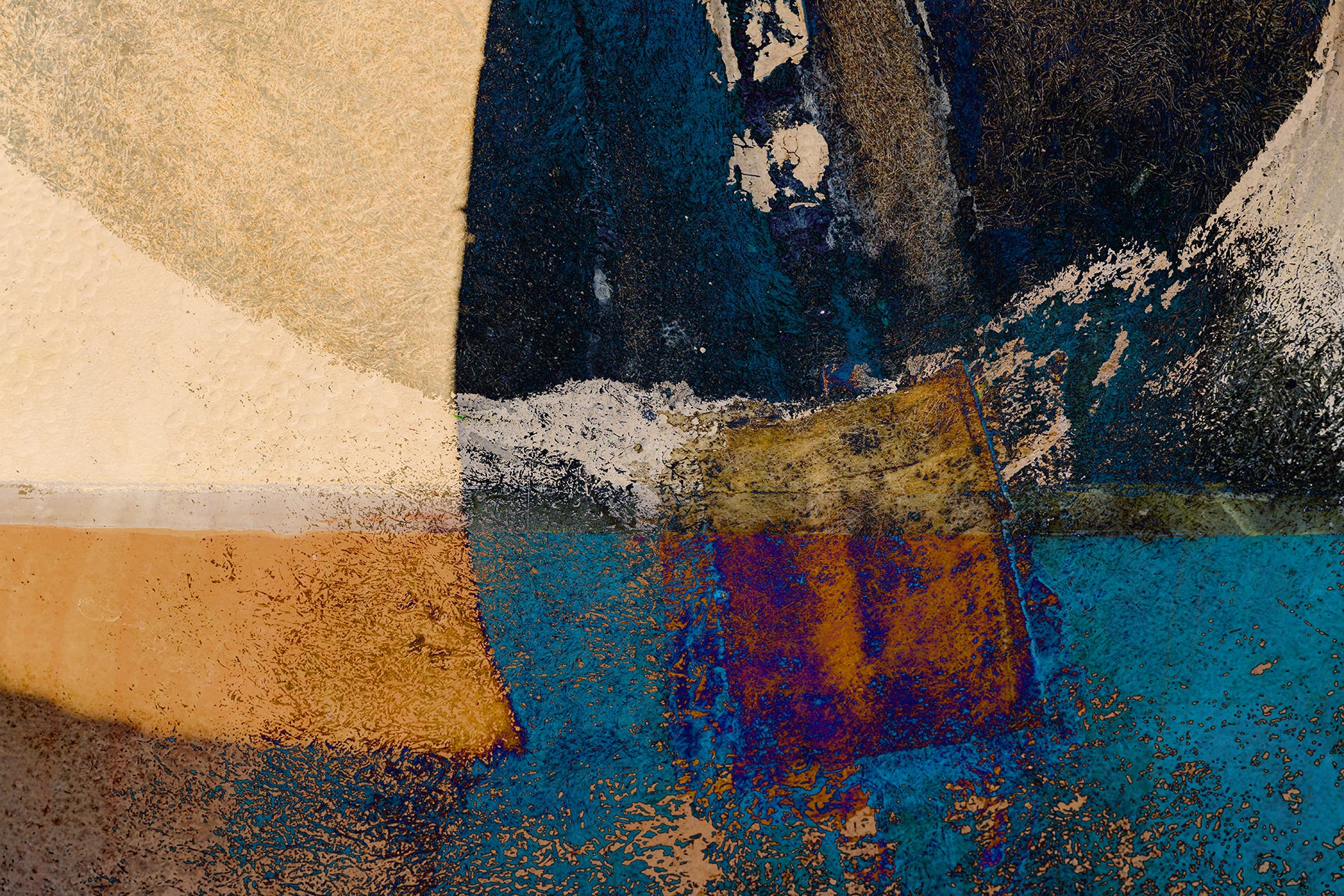
The opposite of “ETHEREAL” (ɪˈθɪəriəl) is “MATERIAL” (məˈtɪəriəl)
This is what got my brain thinking about where I could go next with my long term photography. Over the eight years it took me to make images for ETHEREAL, I was able to learn a great deal about the technique of intentional camera movement, and, unsurprisingly, became known as an “ICM” photographer.
For my next long term project, I want to look at the opposite of “ETHEREAL” (delicate, light, and seeming to be from another world) - “MATERIAL” (physical, tangible and substantial) - A project that will also use a different technique - in-camera multiple exposure. The project will focus on creating coastal images of a totally different style, look and atmosphere - by photographing the physical and tangible elements that can be found on the coast.
These are elements such as fishing boats, fishing bouys, nets, buildings, and all of their associated colours, shapes and textures. This is not a new interest of mine - I have been photographing the coast of Dungeness since 2014, and became instantly fascinated by these elements. Starting as a documentary project, this evolved into a creative “Cinematic” approach and has now evolved into using another favourite technique - in-camera multiple exposure.
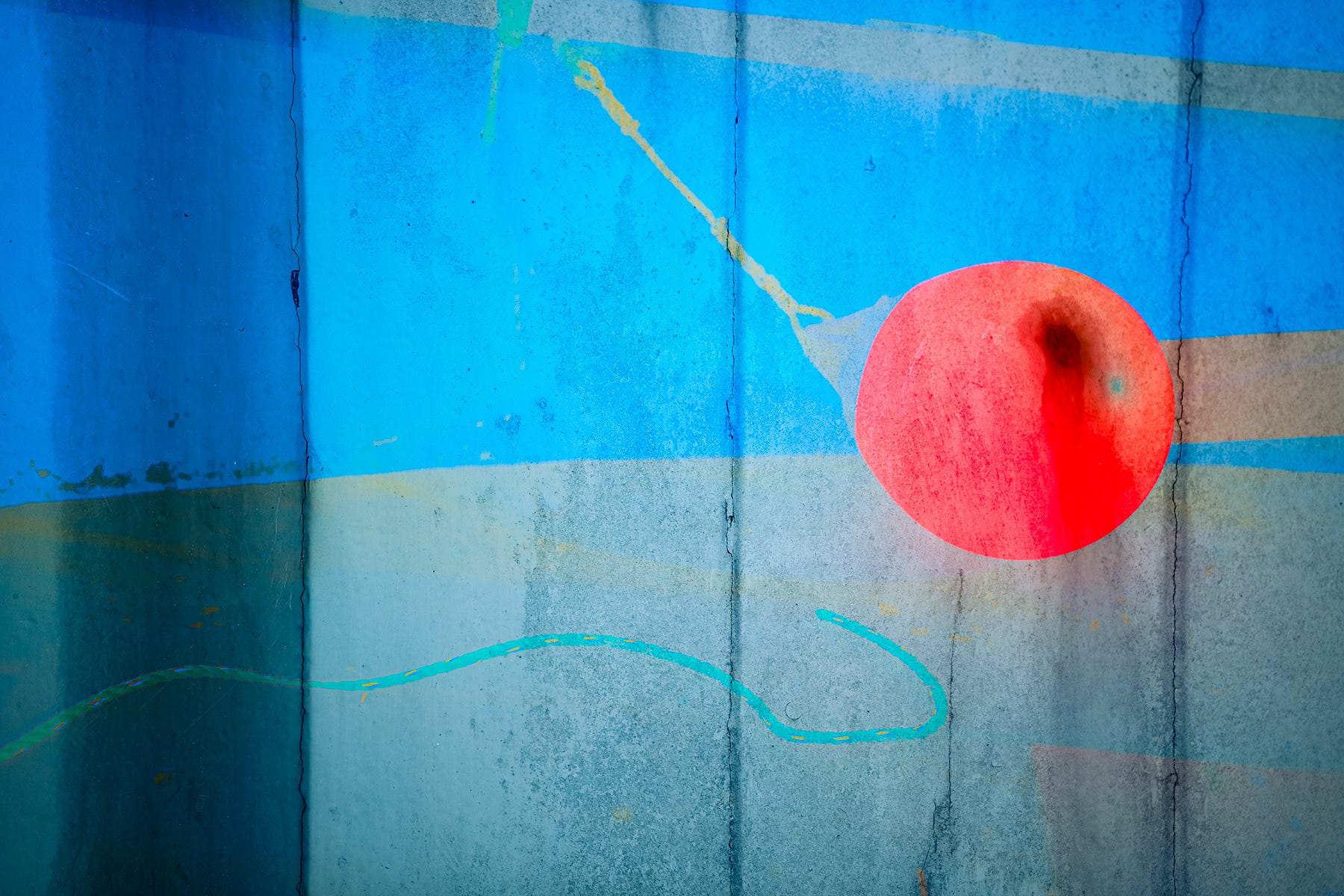
Similar to ICM, multiple exposure (ME) has a sort of marmite appeal to it, especially when applied to social media algorithms! In a recent post online, I admitted that I have often shied away from sharing these sorts of images on social media because I know that compared to an ICM image they will perform terribly, and gain very little interaction.
This leads me to the second part of this article. When we know that the new work we are producing will have a limited social media impact - should we care ?
I know that the simple answer is no - we should be creating the work we want to create and be proud of it. But of course, we want people to see our work, and in an ideal world, we also would rather that they enjoyed and connected with the work we are creating.
Is it that ME images are harder for the audience to connect with? Do they not hold that same visual appeal, and is it harder for the viewer to connect with the subject matter? These are all genuine questions that I hope you may be able to help me answer by starting a conversation in the comments. I would be genuinely fascinated to hear what people think.
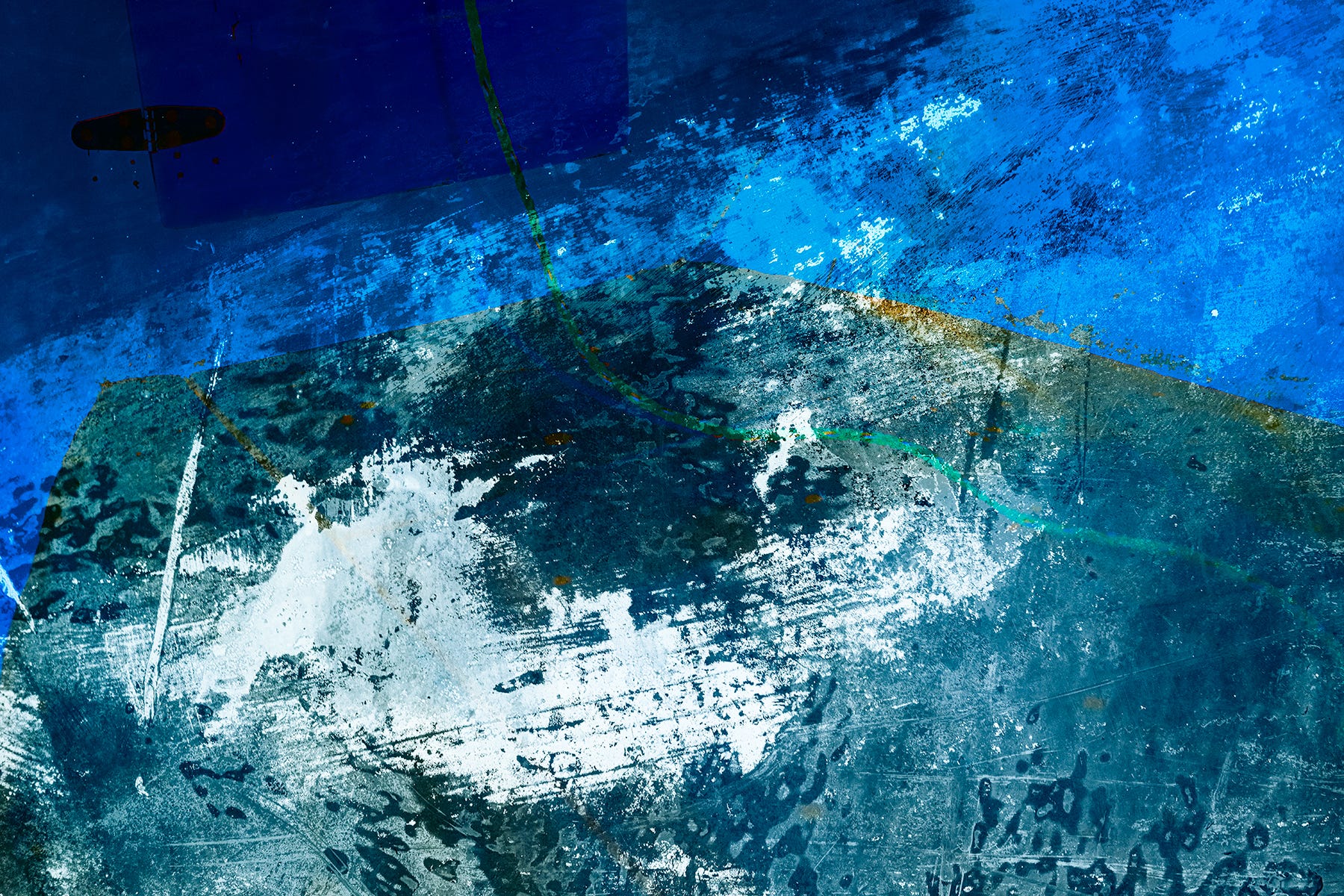
Why did I pick multiple exposure, and more specifically in-camera multiple exposure for this next project?
The short answer is that I find it absolutely fascinating how the merging of various elements can result in (to me) pleasing abstraction. As with ICM, the fundamental draw is that of experimentation. How far can I push this technique. What can I create with it that others may not have, and how can I get better at it.
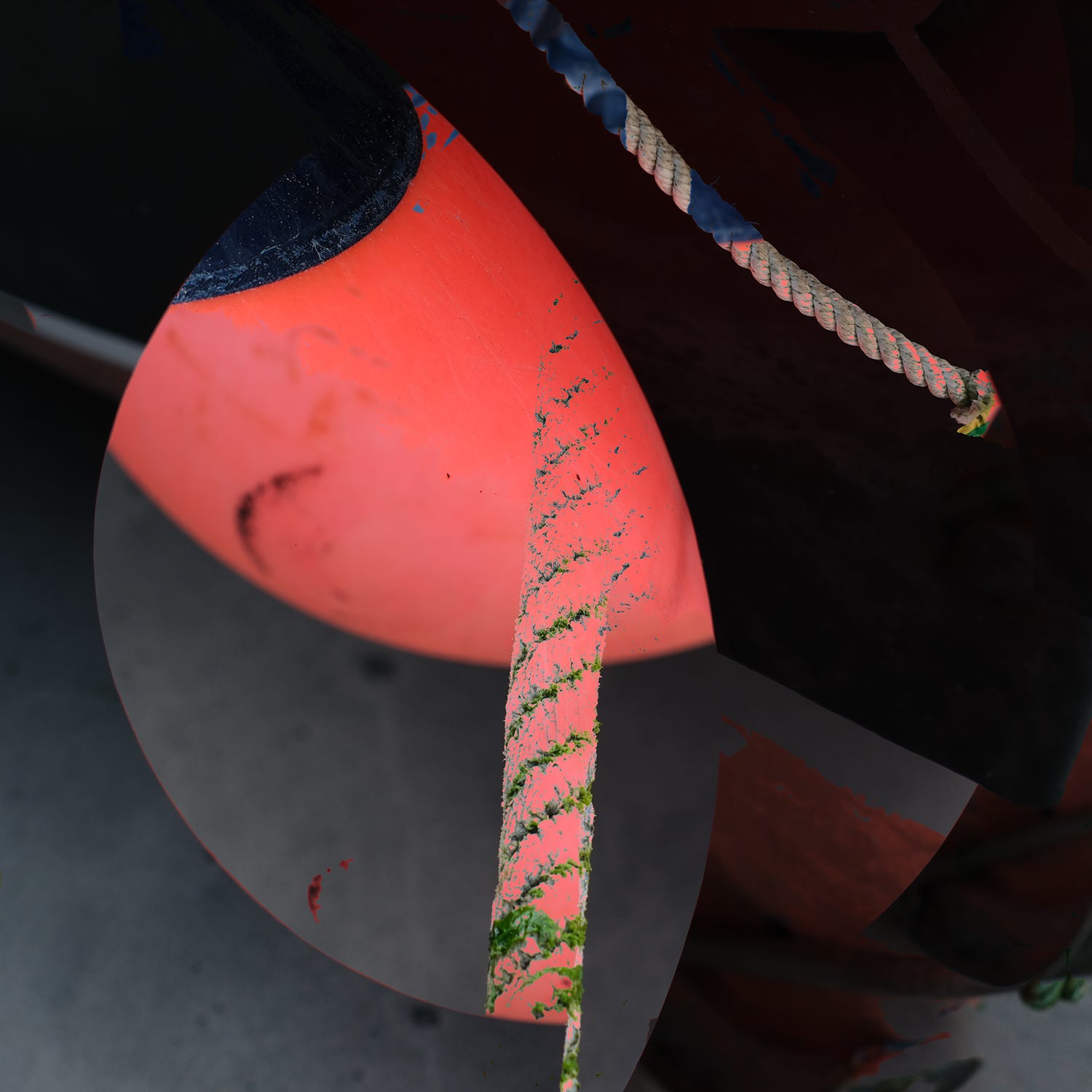
Anticipation is also a great motivator in working on this project, and this is the reason that I choose to make as many images in-camera as possible. To find the elements you want to combine on location, and merge them into something new right before your eyes. To then have the ability to go back, alter, try again, and get it right all whilst out on location is a massive part of the experience of this project. To know that you may have the whole workflow complete whilst on location can give you a huge sense of satisfaction.
If you feel that others may enjoy this content, then do please consider sharing this article.
Thank you for sticking this far with my jumbled and random thought processes as I myself get to grips with learning a new technique and approach to capturing the coastline!
As with ICM, I feel that ME image even more so benefit from being viewed in multiples - a small series of three, a panel, a book, an exhibition. It is perhaps the case that none of these new images will really come together for another eight years!
As always, many thanks for being a part of my little corner of Substack and I hope that you have enjoyed the content!
I'm really interested to see this turn you're taking, Mark (while also hoping you continue to share new ICM images). Beautiful and intriguing images.
My interest was initially in in-camera ME but I didn't have a dslr capable of doing these modes. When I finally bought one last year - my actual practice went down the ICM route instead, which I could have taken all along! Now I want to turn to ICME too.
So I'm several years behind you, and keen to see where you go.
I am totally past competitions and sharing on social media. Having given these up, my images have become a lot more creative and personal, and I am much happier.
I find that both ICM and ME images tend to be about rather than of…which does seem to limit their appeal. This can be particularly true of ME. When showing someone an abstract image we are asking the viewer to spend time with an image and truly engage with it. It’s a big ask in today’s world, and even if they do, the image may not generate an emotional response. When it does, then that’s something to celebrate.